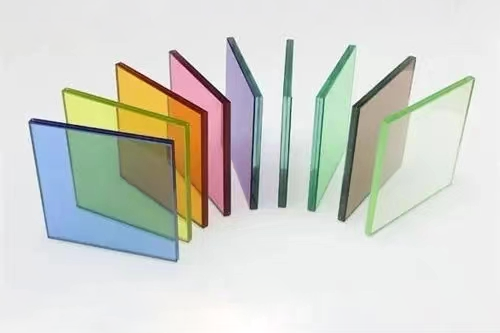
Low E Glass Sample Developed by Company A Promises Energy Efficiency and SustainabilityCompany A, a leading innovator in the glass manufacturing industry, has recently developed a cutting-edge Low E Glass sample that promises to revolutionize the market with its superior energy efficiency and sustainability features. The new product is set to make waves in the architecture and construction sectors, offering a cost-effective and eco-friendly alternative to traditional glass products.Low E Glass, also known as low emissivity glass, is a type of glass that has a special coating designed to minimize the amount of ultraviolet and infrared light that can pass through it without compromising the amount of visible light that is transmitted. This unique feature allows Low E Glass to significantly reduce heat transfer, making it an ideal choice for energy-efficient building designs. In addition, the reduced heat transfer also means lower energy consumption for heating and cooling, ultimately leading to cost savings for building owners and a smaller carbon footprint for the environment.Company A's Low E Glass sample boasts an impressive list of benefits that sets it apart from other products in the market. With its advanced coating technology, the glass offers enhanced thermal insulation, allowing for better control of indoor temperature and reduced reliance on heating and air conditioning systems. This not only leads to lower utility bills for building occupants but also contributes to a more sustainable and environmentally friendly living and working environment.Furthermore, the Low E Glass sample from Company A also provides excellent protection against UV radiation, which can help prevent fading and damage to interior furnishings and artworks. This makes it an ideal choice for residential and commercial buildings that require long-term preservation of valuable assets. Additionally, the glass's superior sound insulation properties contribute to a quieter and more comfortable indoor environment, enhancing the overall quality of life for occupants.In terms of sustainability, the production process of Company A's Low E Glass sample is designed with environmental conservation in mind. The company has implemented energy-efficient manufacturing practices and utilized eco-friendly materials, ensuring that the glass product is not only energy-efficient but also environmentally responsible. This aligns with Company A's commitment to sustainable development and corporate social responsibility, further solidifying its position as a leader in the industry.Architects, developers, and builders are sure to be excited about the potential of Company A's Low E Glass sample. Its superior performance and sustainable features make it an attractive option for a wide range of architectural and construction projects. Whether it's for residential homes, office buildings, or commercial establishments, the Low E Glass sample offers a versatile solution that can address the growing demand for energy-efficient and environmentally friendly building materials.As the global focus on sustainability and climate change intensifies, innovative products like Company A's Low E Glass sample are set to play a crucial role in shaping the future of architecture and construction. By providing a practical and effective solution for energy efficiency and sustainability, the glass product is poised to make a significant impact on the industry and contribute to a more sustainable built environment.In conclusion, Company A's development of the Low E Glass sample is a testament to its commitment to innovation, sustainability, and excellence in the glass manufacturing industry. With its exceptional energy efficiency and environmental benefits, the glass product has the potential to transform the way buildings are designed and constructed, paving the way for a more sustainable and eco-friendly future. As the market eagerly awaits the official launch of the Low E Glass sample, it is clear that Company A is poised to lead the industry with its groundbreaking technology and dedication to sustainable development.
Read More